Photography By Thirdman
Life Stage Design: A Practical, Wellness‑Led Approach to Interior Design
What on earth is Life stage design?….
Let me explain…
Most people don’t wake up one morning and decide they want an interior designer because they’re bored of their sofa or fancy a change of colour.
More often than not, they reach out because something feels off in their home — even if they can’t quite explain why.
The house works on paper, but living in it feels harder than it should. Days feel busy, clutter creeps in, and certain rooms just don’t suit how life is actually unfolding.
That’s where life stage design comes in.
What Is Life Stage Design?
Life stage design is about creating a home that reflects how you live now, not how you lived five or ten years ago — and not how you think you should be living either.
Our lives move through different stages: building careers, raising families, working from home, downsizing, caring for others, or simply slowing down a little. Each stage comes with different routines, pressures, energy levels and priorities.
When a home doesn’t evolve alongside those changes, it can quietly create stress.
Not dramatic stress — but the kind that shows up as:
- constant clutter
- frustration with layout
- rooms that don’t get used
- feeling overwhelmed by your own space
We all have that one space used as a dumping ground, we know its not good, but needs must right, well what if this could be avoided because your home was designed to meet you where your struggles were, to help you solve some of your problems and ultimately make life run more like a well oiled machin, well im here to show you that good design that is specific to the users, their lifestyles and their habits can have a lasting positive effect on their day to day living…., therefore reducing their stress, easing overwhelm and creating a sense of peace in an otherwise chaotic and tired mind.
Why This Matters From a Wellness Point of View
When we talk about wellness in interior design, it doesn’t have to be abstract or ‘woo‑woo’.
In very practical terms, wellness‑led design means:
- reducing friction in your daily routines
- making spaces easier to use and maintain
- supporting your energy, not draining it
- creating calm in a world that’s already busy
- Creating opportunities for you to improve your wellbeing
- Have a positive effect on other areas of your life
- A design that meets your needs
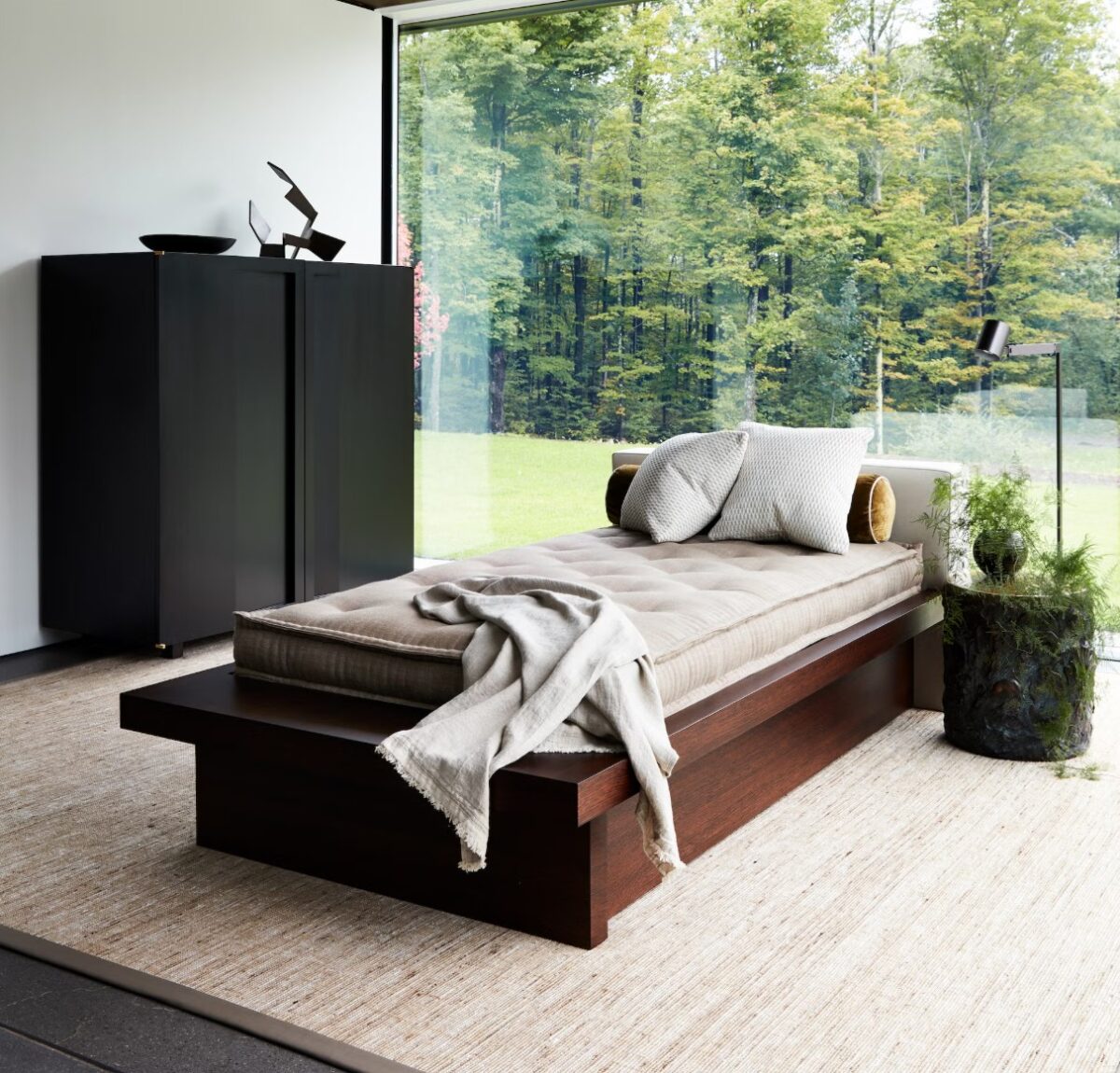
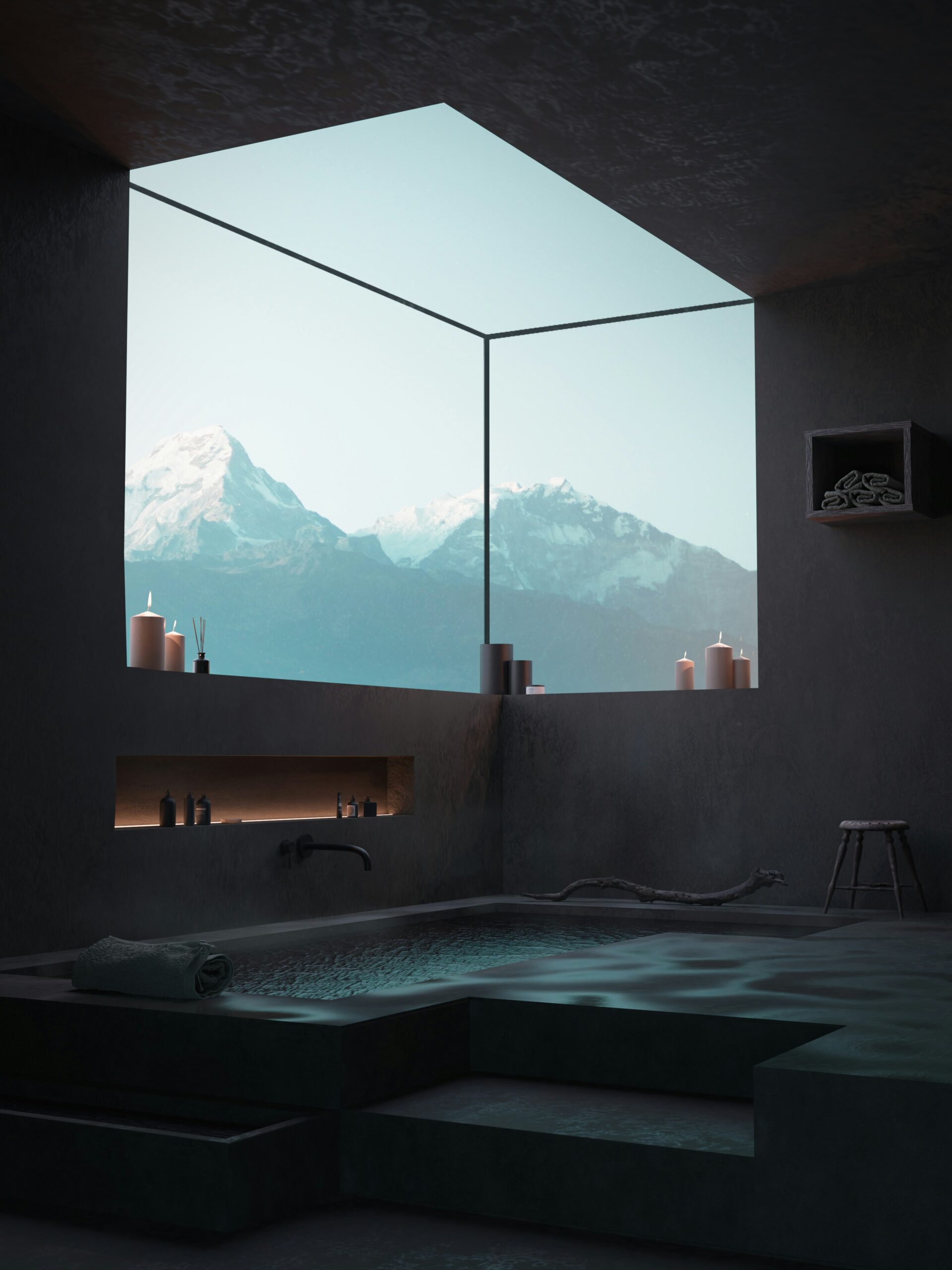
Photo by Stephen Kent Johnson.
Your home is where your nervous system spends most of its time. If the space constantly asks more of you — more tidying, more navigating around furniture, more visual noise — it takes a toll. In today’s world, I am sure we all could do with giving our Nervous systems a break, I know I could!
Good design should quietly make life feel easier.
Common Life Stage Design Challenges
Here are a few situations I see time and time again, particularly in Irish homes.
1. Homes That No Longer Match Daily Life
Many homes were designed around evenings and weekends, but life has changed. Working from home, flexible hours and hybrid schedules mean we now spend far more time in our houses than ever before.
Kitchen tables become desks. Spare rooms become storage. Living spaces have to work much harder.
Multi- generational living, with the housing crisis being a very real problem, there can be 3 generations living in one home that was not designed for this, and the home is really struggling to cope with new demanding schedules.
When the layout doesn’t support this, it’s not a personal failing — it’s a design issue and this is why I am so passionate about considering functional, holistic and life stage approach.
2. Growing Families and Growing Clutter
As families grow, so does the amount of ‘stuff’: school bags, sports gear, homework, laundry, coats, shoes.
Often the home hasn’t been designed with enough practical storage or clear zones, so clutter builds up in visible areas.
This isn’t about being untidy. It’s about needing smarter, more considered design solutions. Now that many gernerations could be living together, its important to be considerate of many things such as the dangers of a cluttered space in case of causing a fall.
3. A Shift Toward Slower Living
For others, life starts to slow down — children leave home, work commitments change, priorities shift.
But the house still feels busy, hard to manage, or filled with furniture and belongings that no longer serve a purpose.
At this stage, wellness often comes from simplifying, not adding more.
If this is also your time to do what you want, you dont want to waste that time reorganising your home or unable to find what you need when you need it.
Your home may have new hobbies or you may want to prolong your life by working on your health on a regular basis, does your home facilitate this?
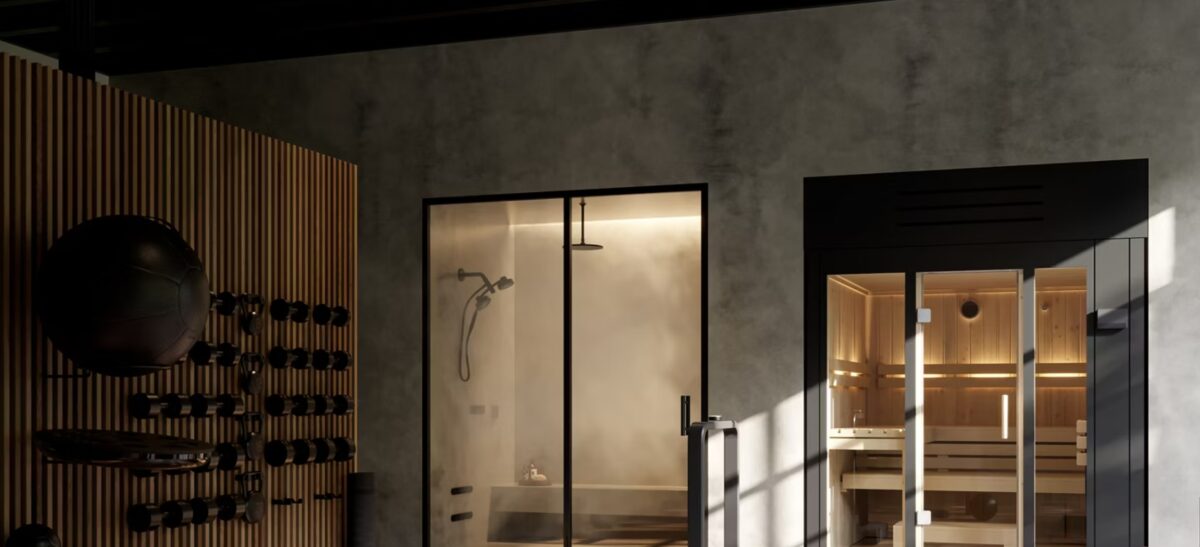
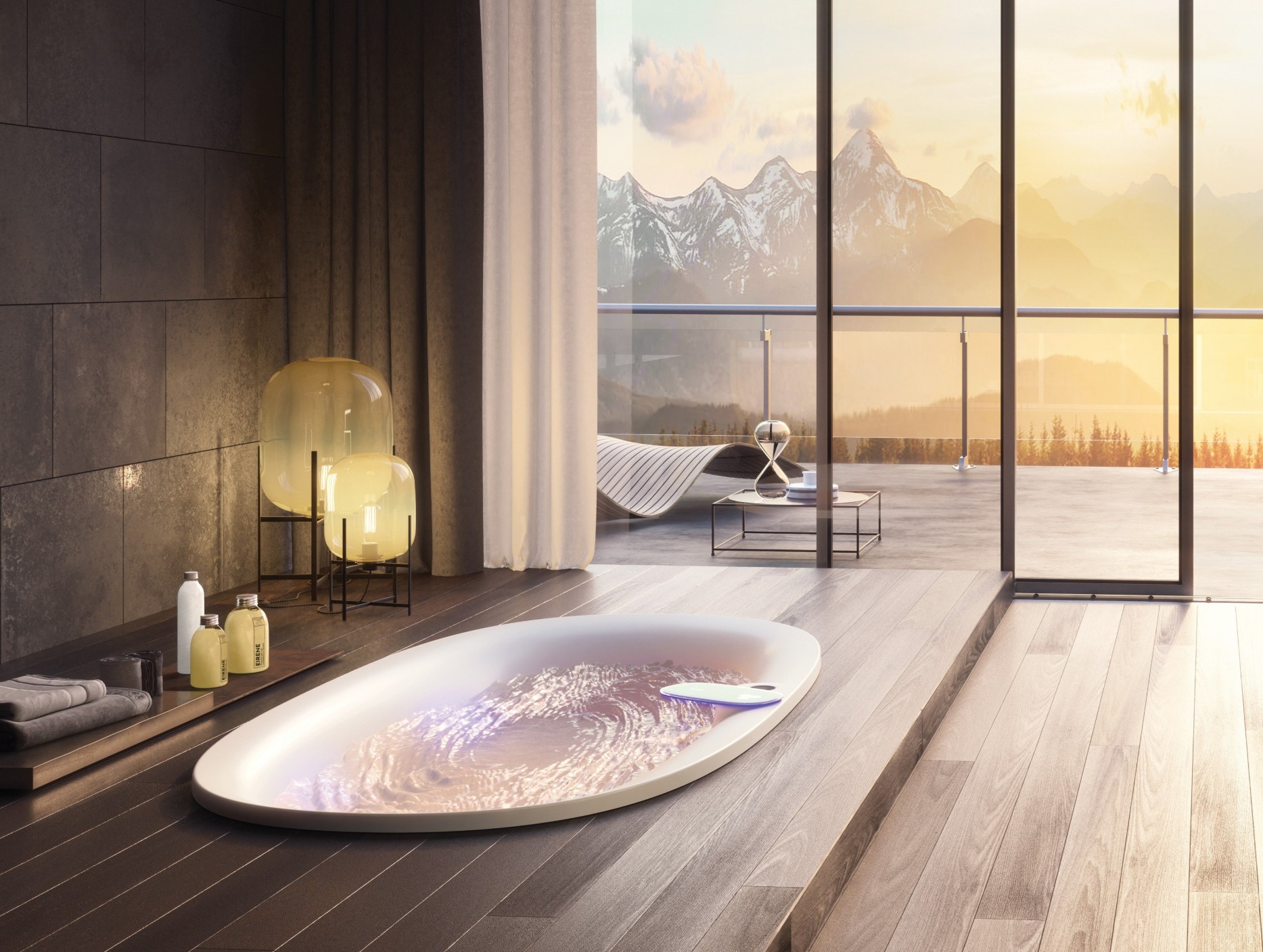
Photograph by Kohler
Designing for Your Current Life Stage
Life stage design doesn’t mean a full renovation or starting from scratch. In many cases, it’s about making thoughtful adjustments.
Here are a few key principles:
Design for How You Actually Live
Be honest about your routines. Where do you drop things when you walk in the door? Where do you spend most of your day? Which rooms feel under pressure? Is your home somewhere you can grow and build on habits your are implementing? If not, why not?
Design should follow behaviour — not the other way around, however I do think, if you have the right facilities, habits can be built especially if you had practiced them previously and you have the right attitude.
Prioritise Flow and Function
A well‑designed home moves easily. Furniture placement, circulation space and room layouts should feel intuitive, not awkward. Spatial planning can have such a huge impact on the way we feel in a space, is the space welcoming or does it make you want to leave before you even get into it?
When flow improves, stress reduces.
Consider Light, Comfort and Longevity
Especially in Ireland, lighting plays a huge role in how a space feels. Soft, layered lighting, durable materials and finishes that age well all contribute to a home that feels comfortable year‑round. Using lighting that is beneficial to our health can really help us with our overall health as we get older. ( another blog post on wellness lighting coming soon)
Wellness‑led design is about choices that last — not trends that date quickly.
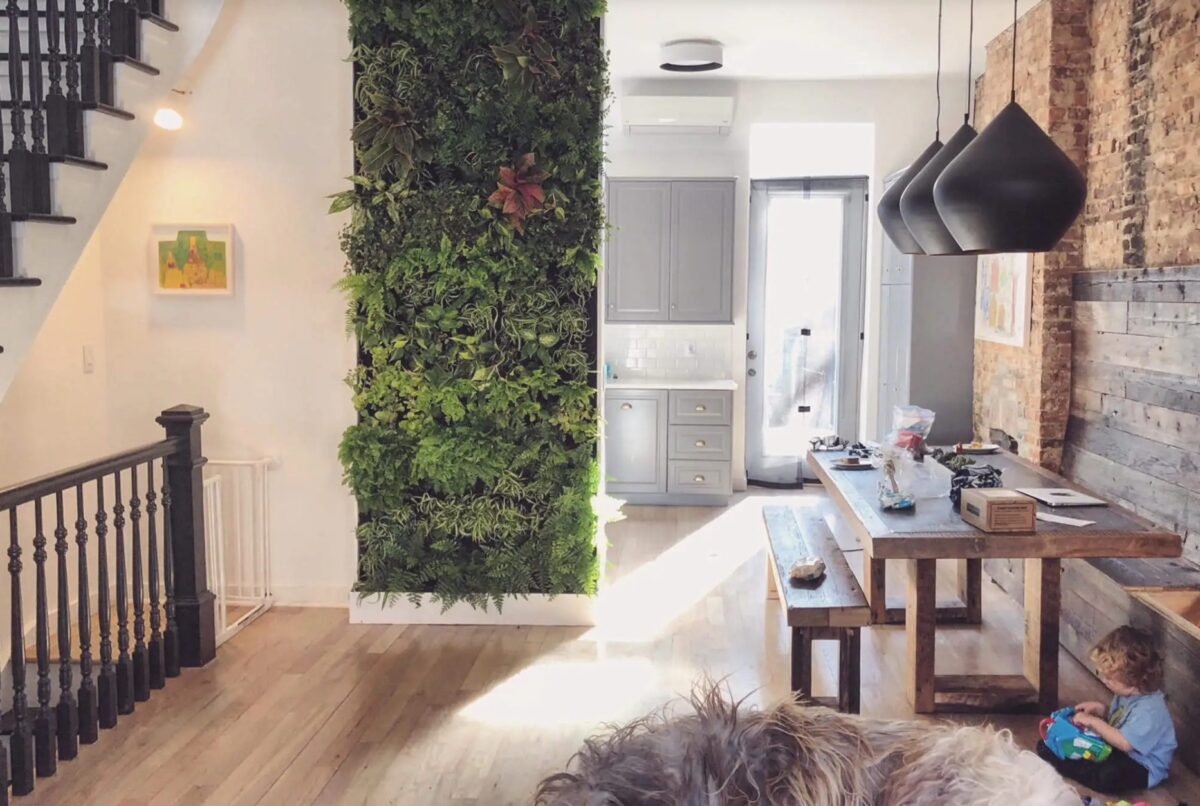
Photograph by : De Anna Caizzo
When to Seek Professional Help
If you find yourself constantly thinking:
- ‘This house should work better than it does’
- ‘I don’t know where to start’
- ‘I just want it to feel easier to live here’
Those are usually signs that your life stage has changed — and your home needs to reflect that.
Working with a designer isn’t about extravagance. It’s about clarity, structure and creating a space that genuinely supports your life. You dont have to “just put up with it”
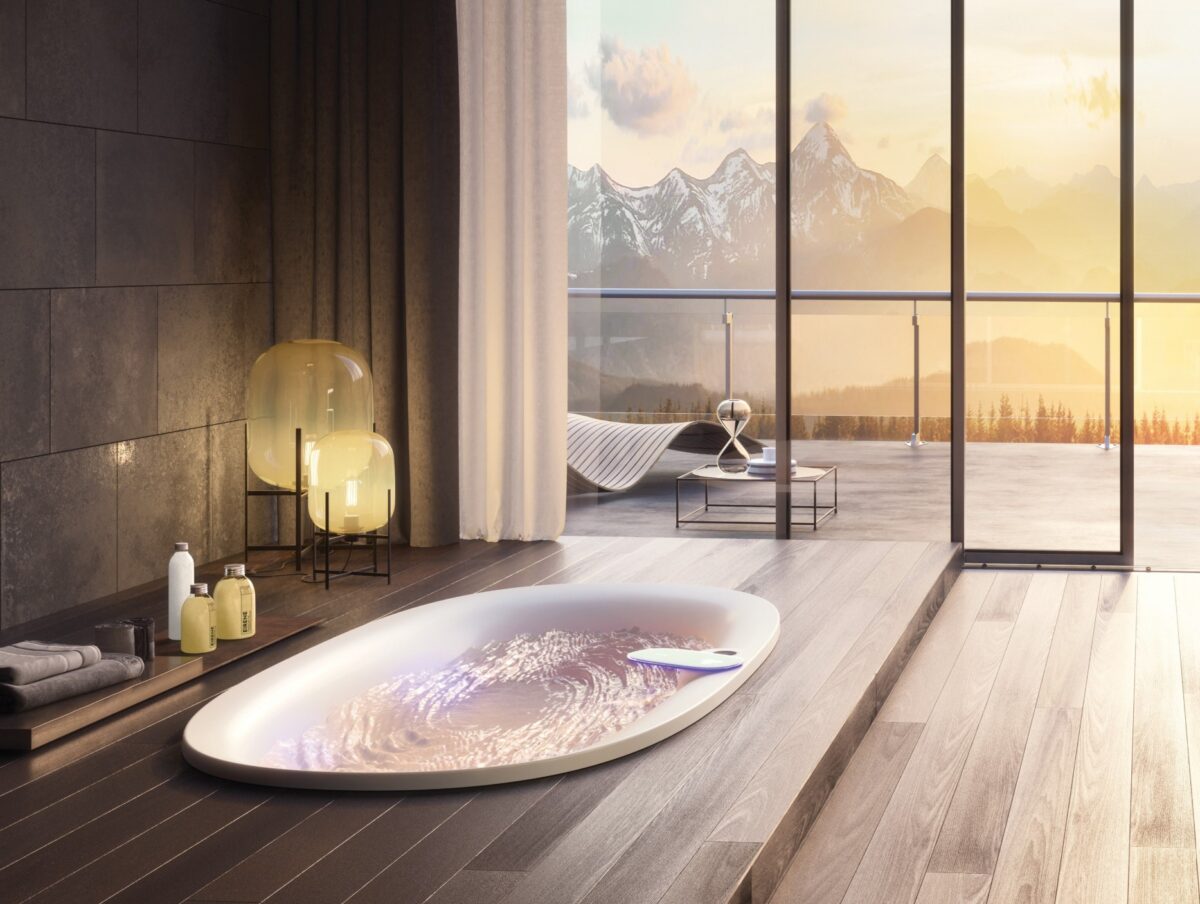
Photography by Agra Jacuzzi
Final Thoughts
Your home doesn’t need to be perfect.
But it should feel aligned with the stage of life you’re in right now.
When design supports your routines, your energy and your priorities, everyday life becomes calmer — and that’s where true wellness starts.
If this resonates with you, it may be time to rethink how your space is working for you — and how it could work better.
If this sounds like you, pop to my contact page and book a complimentary “Discovery Call”.
If you would like to know more about wellness based Interior Design, check out some of my other blogs: https://daniellewestdesign.com/houseplants-for-health/
Photography by Philip Blacknett