The Warning Signs of Mold in Your Home
“This is something I’ve experienced first-hand, and it completely changed how I approach design.”
Mold is something most people associate with visible damp patches or black spots on walls.
But the reality is, mold is often hidden, growing behind walls, under floors, or in areas we rarely check — and it can affect far more than just your home.
It can affect your health.
This is something I’ve experienced first-hand, and it completely changed how I approach design and the way I look at our living environments.
Because of that, I always encourage people to become more aware of the subtle signs — the ones that are easy to overlook.
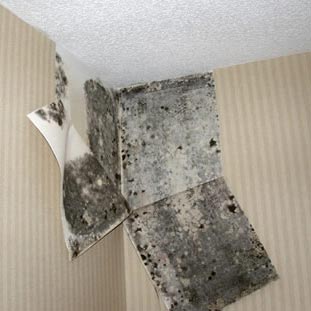
1. A Persistent Musty Smell
One of the most common signs of mold is a damp, musty smell.
Even if you can’t see anything, your home shouldn’t have a lingering earthy or stale odour.
This smell is often strongest in:
-
- Bathrooms
-
- Kitchens
-
- Utility rooms
-
- Behind furniture
-
- Closed-up spaces
If something smells “off”, it’s always worth paying attention to.
2. Condensation and Excess Moisture
Mold thrives in moisture.
If you notice:
-
- Constant condensation on windows
-
- Damp walls or ceilings
-
- Moisture around window frames
-
- Poor ventilation in bathrooms or kitchens
These are all conditions where mold can begin to grow.
Over time, this kind of environment creates the perfect breeding ground for hidden issues.
3. Unexplained Health Symptoms
This is the part that many people don’t immediately connect to their home.
Symptoms linked to mold exposure can include:
-
- Fatigue
-
- Brain fog
-
- Headaches
-
- Sinus congestion
-
- Skin irritation
-
- Worsening of asthma or allergies
If symptoms improve when you leave your home and return when you’re back, it’s something to take seriously. For more related blogs such as ” why your home might be making you sick” check out this post
https://daniellewestdesign.com/why-your-home-might-be-making-you-sick/
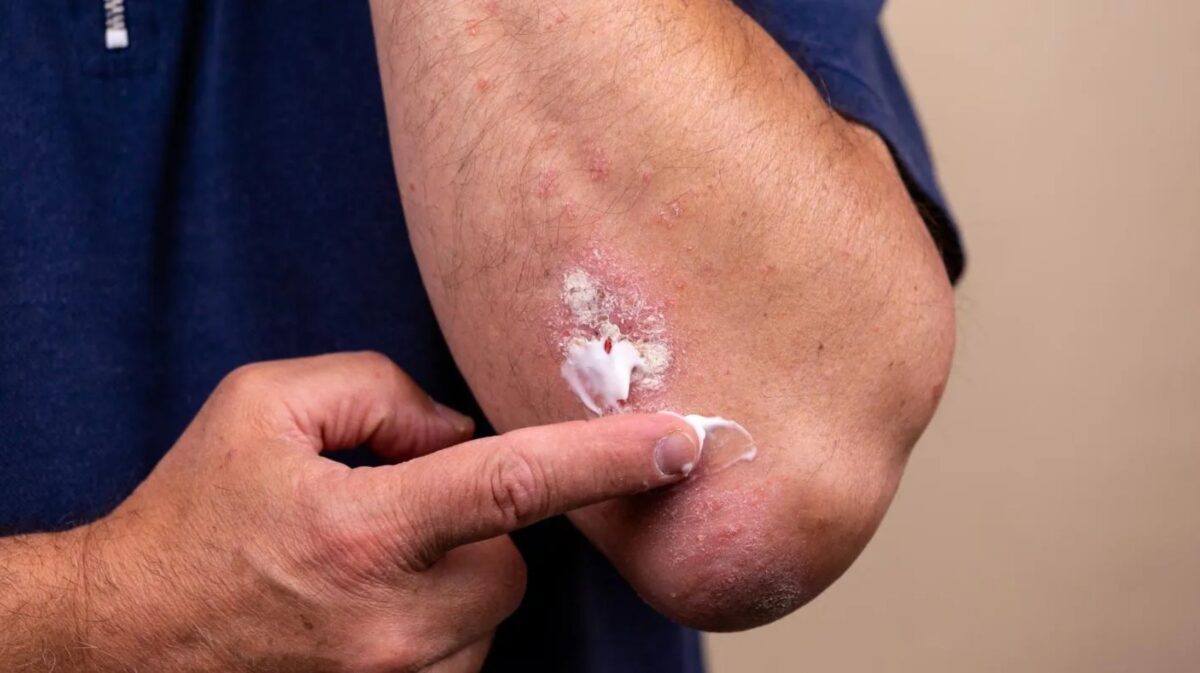
4. Peeling Paint or Warped Surfaces
Changes in your finishes can be an early warning sign.
Look out for:
-
- Peeling or bubbling paint
-
- Warped wood or flooring
-
- Cracked plaster
-
- Discolouration on walls or ceilings
These can indicate moisture behind the surface — and where there is moisture, mold can follow.
5. Cold, Poorly Ventilated Areas
Mold often develops in spaces that are:
-
- Cold
-
- Dark
-
- Poorly ventilated
Common areas include:
-
- Behind wardrobes
-
- Corners of external walls
-
- Attics and basements
-
- Under sinks
These are the places we don’t check often, but they matter.
Why This Matters
Our homes should support our health, not quietly work against it.
The materials we use, the way spaces are ventilated, and how moisture is managed all play a role in how we feel day to day.
It’s one of the reasons I now approach design very differently — looking beyond aesthetics to create spaces that are not only functional, but healthier to live in.
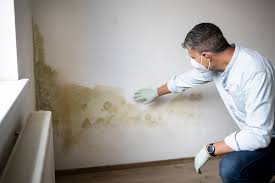
If something doesn’t feel right in your home, trust that instinct.
You don’t need to see mold for it to be present.
Becoming more aware of your environment is the first step in creating a home that truly supports your wellbeing.
Because good design isn’t just about how a space looks —it’s about how it makes you feel, and how it supports your life every day.
More information on mold and safe cleaning can be found at